November 12, 2026
What a GPS Tracker with Fall Detection Can Do for You
By @steadysteps
Understanding GPS, Wi-Fi and fall detection in one device
When you hear about a GPS tracker with fall detection, you might picture a simple device that shows a location on a map. That is part of it, but the real picture is broader. These devices combine a few different technologies to give you awareness and reassurance about someone who matters to you. They use satellite signals for outdoor location, Wi-Fi for indoor positioning, and built-in sensors to detect a sudden fall. Together, these features create a tool that can help a person stay independent while letting family members know when something is wrong.
How GPS and Wi-Fi work together for location
A standard GPS tracker picks up signals from satellites orbiting the earth. It uses those signals to calculate a position, usually within a few metres. This works well when the person is outside, walking in the garden, going to the local shop, or travelling between towns. But indoors, satellite signals can weaken or disappear. That is where Wi-Fi location comes in.
Wi-Fi location works by scanning nearby wireless networks and estimating the position based on signal strength and known router locations. Inside a home or a care facility, this can give a much more accurate fix than GPS alone. The device switches between GPS and Wi-Fi automatically, choosing whichever gives the best result at that moment. For a family member checking the app, this means a consistent view of where the person is, whether they are in the back shed or at the park.
Battery life matters here. A device that constantly pings satellites or scans Wi-Fi networks will drain its battery fast. Most good trackers balance location updates with power saving. They might update position every few minutes when the person is moving, and less often when they are still. Some models let you adjust the update frequency. If you are just checking in once a day, you can stretch the battery much longer than if you want real-time tracking every few seconds.

How fall detection works
Fall detection is not just a simple motion sensor. It uses an accelerometer and sometimes a gyroscope to measure sudden changes in speed and orientation. When the device detects a rapid downward motion followed by a stop, and the person does not get up within a short time, it triggers an alert. The device might also use an algorithm to distinguish between a real fall and everyday actions like dropping the device or sitting down quickly.
No fall detection system is perfect. Some falls are slow, such as a person sliding down a wall. Those can be harder to detect. But the technology has improved a lot in recent years. Many devices now combine fall detection with a manual SOS button. If the device does not detect the fall, the person can press the button themselves. That gives a second layer of protection.
What this means for daily life
For an older person living alone, a GPS tracker with fall detection can mean the difference between getting help quickly and lying on the floor for hours. The device sends an alert to a family member or a monitoring service, along with the location. That person can then call or go to check. If the person is outside, the GPS location helps find them. If they are at home, the Wi-Fi location narrows it down to the right room.
Wearing options matter for comfort and reliability. Some devices come as a pendant worn around the neck, others as a wristband, and some clip onto a belt or go in a pocket. A pendant is easy to reach for the SOS button, but a wristband keeps the fall detection sensors in a consistent position. Some people prefer a device that looks like a regular watch, so it does not stand out. The best choice depends on the person's habits and what they will actually wear every day.
Mobile coverage is another thing to think about. GPS works everywhere there is a clear view of the sky, but the device also needs a cellular connection to send alerts and location data. If the person lives in an area with poor mobile reception, the device might not be able to send an SOS message. Checking coverage maps from the mobile network the device uses is a sensible step before relying on it.
No monthly fees and a local perspective
One of the recurring concerns with this kind of device is ongoing costs. Many tracking services charge a monthly fee for the SIM card and the data plan. That can add up over time. For New Zealand families, a service like familyr.co.nz offers a GPS tracker with fall detection that does not have monthly fees. That means you pay once for the device and then use it without a recurring bill. The same device includes GPS and Wi-Fi location, SOS alerts, fall detection, and two-way communication. This approach removes the worry of a subscription and makes the device a one-off investment.
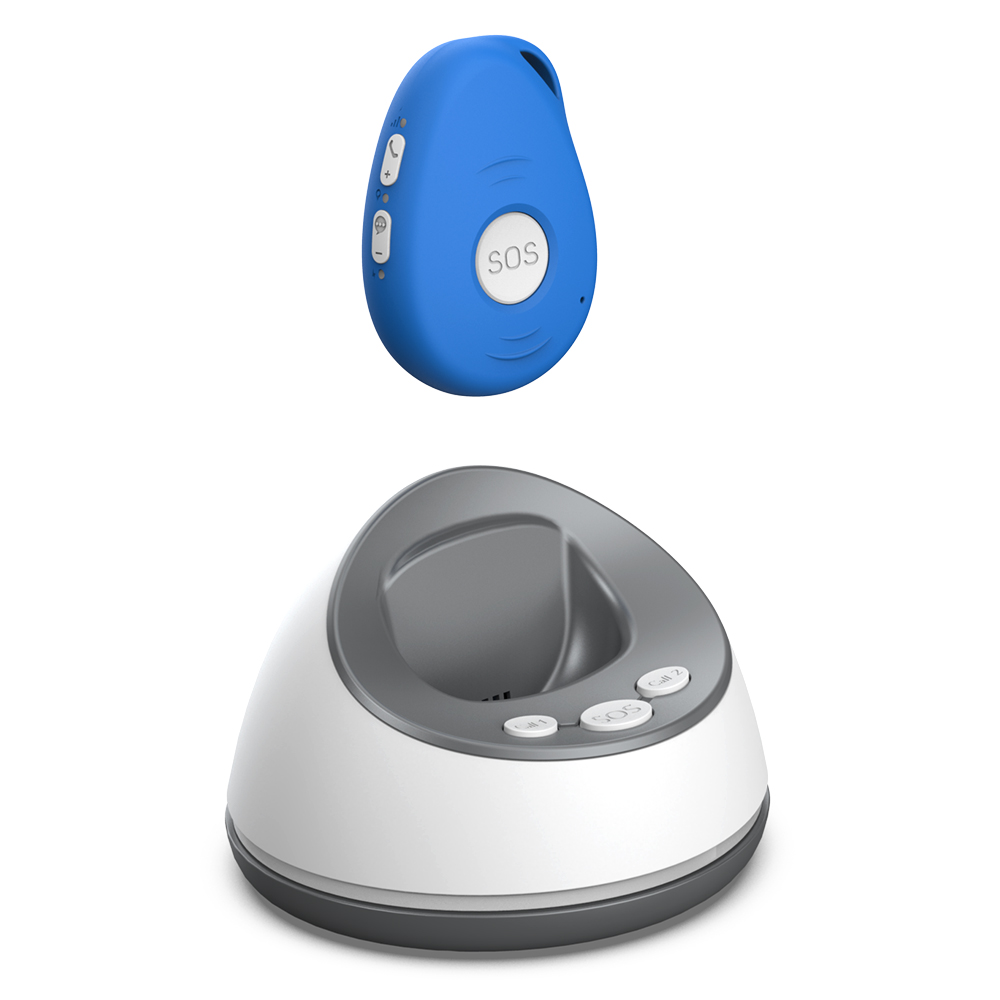
When you are comparing options, it helps to look at the total cost over a year or two. A device with a low upfront price but a high monthly fee can end up costing more than a slightly more expensive device with no ongoing charges. And if the device breaks or needs replacing, you want to know what the replacement policy is. Some services tie you into a contract, while others are more flexible.
Practical tips for choosing and using the device
First, think about where the person will use it most. If they spend a lot of time at home, make sure the Wi-Fi location works well with the layout of the house. If they go out frequently, the GPS accuracy and battery life become more important. Some devices let you set a safe zone, such as the home and garden, and send an alert if the person leaves that zone.
Second, test the fall detection carefully. Ask the person to simulate a fall (onto a soft surface) and see if the device triggers an alert. Some devices let you adjust the sensitivity. Too sensitive and you get false alarms. Too insensitive and real falls get missed. It takes a bit of trial and error to find the right balance.
Third, check the two-way communication feature. This lets you talk to the person through the device, like a speakerphone. If they fall and cannot reach the SOS button, you can speak to them and assess the situation. Some devices have a loudspeaker that works even if the person is not holding the device. This adds a layer of reassurance because you can hear their voice and know they are okay.
Finally, involve the person who will wear the device in the decision. If they feel the device is ugly, uncomfortable, or complicated, they might not use it. A device that stays in a drawer helps no one. Show them the options, explain how it works, and let them choose the style they prefer.

Putting it all together
A GPS tracker with fall detection is not a magic solution, but it is a practical tool. It gives you a way to know where someone is, whether they have fallen, and how to reach them quickly. The combination of GPS and Wi-Fi location covers both outdoor and indoor spaces. The fall detection adds a safety net for moments when a person cannot call for help themselves. And when there are no monthly fees, the device becomes a straightforward purchase rather than a long-term commitment.
For New Zealand families, familyr.co.nz offers a device that brings these features together without ongoing costs. That makes it easier to try and easier to keep using. The technology is not complicated to set up, and the peace of mind it can bring is real. It is worth taking the time to understand what the device can and cannot do, so you can make an informed choice that suits your situation.
❧